
THE BODDY JOURNAL
How to Prepare for a Hiking Trip
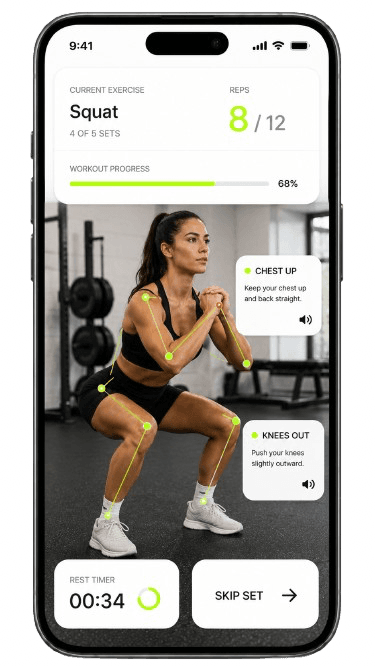
BODDY IN ACTION
Real-time coaching on the iPhone you already use.
Boddy follows supported movement, counts repetitions, and delivers concise visual and spoken cues during the set.

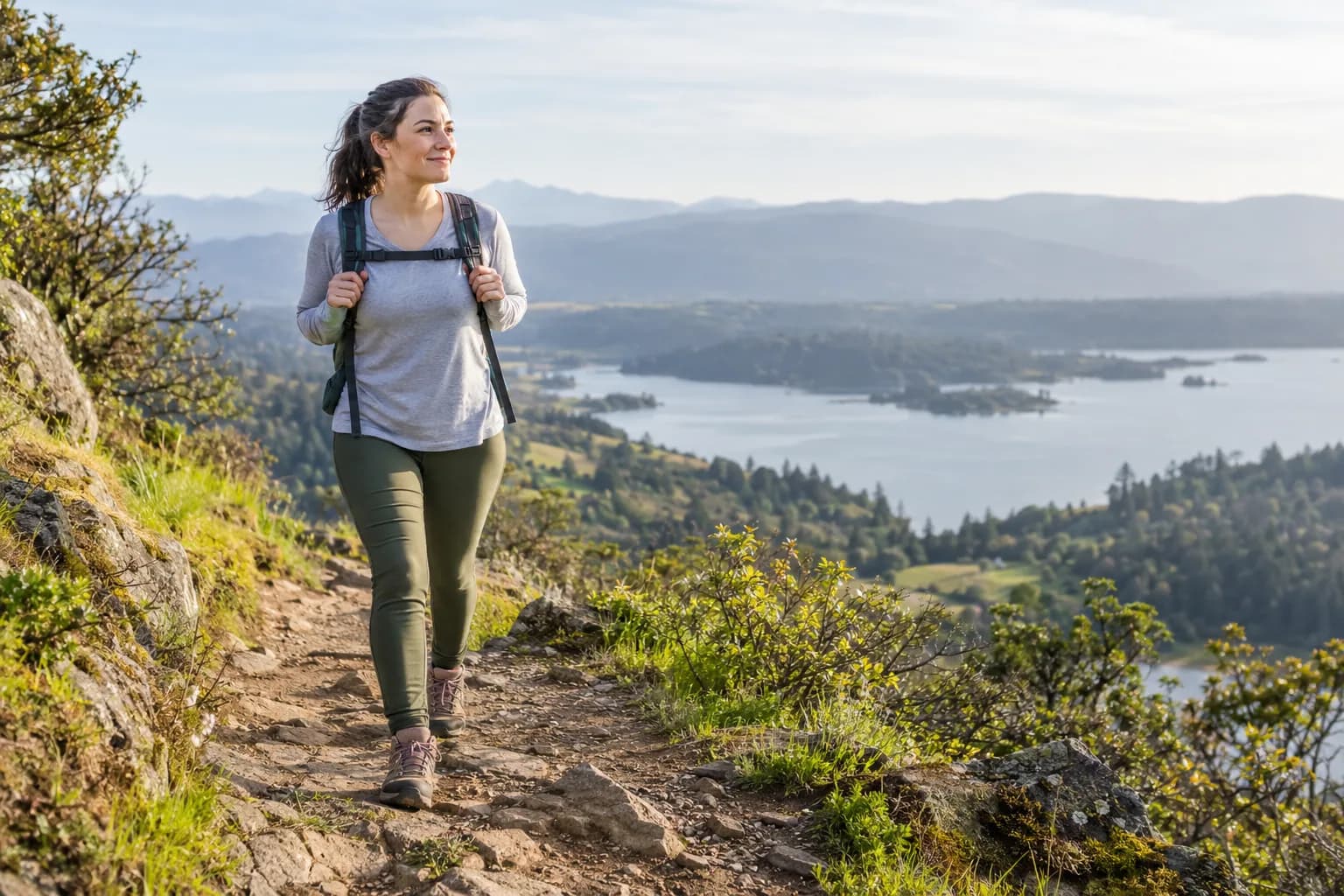
Prepare for a hiking trip by building walking time gradually, practicing on terrain similar to your route, and checking the trail, weather, elevation, and local conditions before leaving. Strength training can support general capacity, but it cannot replace time on your feet or tell you whether a particular route is safe for you. Choose a hike that matches your experience and keep a shorter alternative available.
Start with the route, not a generic workout
Find the distance, elevation gain, surface, expected duration, and seasonal hazards for the exact trail. A short steep route may be more demanding than a longer flat walk. At altitude, heat, humidity, snow, or remote terrain, planning needs change. The National Park Service recommends knowing your limits, checking weather and alerts, having a trip plan, and choosing a route that fits the group. Conditions can change, so check again close to departure.
Write down what the hike requires: time walking, hills, pack weight, and footing. That list can guide preparation. It also helps you see when the main solution is a shorter trail, a guide, extra time to acclimate, or a different trip plan rather than more gym sessions.
Build walking tolerance over several weeks
If you do not walk regularly, begin with a comfortable walk on level ground. Add a little time only when the current duration feels manageable and you recover well. Gradually introduce gentle slopes if your route includes them. Wear the shoes you plan to use so you can notice fit issues early; practice with a light daypack before adding the items you intend to carry.
For instance, a person with a month before a day hike might walk for 15 minutes on a comfortable route during the first few outings, then add a few minutes to selected walks if that feels fine. Later, they could add a gentle incline and a lightly loaded pack. The sequence matters more than hitting a fixed target. Avoid a sudden long hike or heavy pack as a readiness test.
General leg strength can complement walking. Familiar sit-to-stands, supported step-ups, and calf raises are examples, not a hiking prescription. If you have balance problems, pain, a chronic condition that affects exertion, or a long period of inactivity, ask a healthcare professional how to start. NIDDK advises inactive adults to start slowly and build gradually.
Plan the day as carefully as the training
Check the land manager’s current alerts, forecast, route closures, daylight, water access, and expected travel time. Pack footwear and clothing suited to the surface and weather, navigation, food and water for the conditions, a charged phone, and any needed medication. Tell someone your route and return plan, particularly for remote hikes. NPS recommends breaks, awareness of time and distance, and turning around when the situation warrants it. Heat and altitude can require extra caution; local official guidance takes priority.
On the day, begin at a pace you can sustain and take breaks before you are depleted. Turn back if weather, trail conditions, or how you feel make continuing unwise. Do not let reaching a viewpoint override a safe return. A trail plan should include the slowest person in the group and a realistic backup.
Keep symptoms out of the training guesswork
New, worsening, or unusual symptoms during ordinary activity deserve attention. Do not use an app, a workout score, or a successful practice walk as medical clearance. Stop and seek appropriate care for concerning symptoms such as chest pressure, faintness, or severe breathlessness. The correct advice depends on the person and the setting.
Use Boddy for supporting strength sessions
- Choose a manageable strength workout that fits the weeks before the trip and your available equipment.
- Log those sessions while separately recording outdoor walk time, terrain, and pack practice.
- Review completed strength sessions to keep a routine, while checking route conditions and your own response independently.
Boddy can organize general workouts and progress; it does not assess hiking readiness, route safety, altitude acclimatization, weather, or trail conditions. Camera cues apply only to supported exercises when movement is visible. For an optional training plan and log, get Boddy on the App Store.
Sources
BODDY IN ACTION
Real-time coaching on the iPhone you already use.
Boddy follows supported movement, counts repetitions, and delivers concise visual and spoken cues during the set.
TRAIN WITH BODDY
Want coaching that responds while you train?
Boddy combines personalized plans, meal logging, progress tracking, and real-time form guidance in one iPhone experience.