
THE BODDY JOURNAL
How to Make Carrying Groceries and Everyday Loads Easier

BODDY IN ACTION
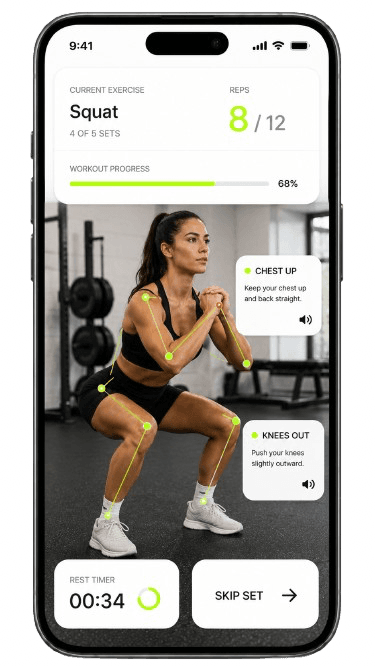
Real-time coaching on the iPhone you already use.
Boddy follows supported movement, counts repetitions, and delivers concise visual and spoken cues during the set.

Make grocery carrying easier by changing the task first: use a cart or rolling bag when practical, split heavy items into smaller loads, and clear the route from the car or shop to your kitchen. If the task still feels difficult, gradual strength work may help build general capacity over time. One heavy carry is not a test you need to pass, and exercise cannot guarantee that lifting will be pain-free.
Fix the carrying problem before adding exercise
Look at the whole trip. How far is the walk? Are there stairs, a narrow doorway, or a long path from parking? Do you carry one overfilled bag because it saves a second trip? A small change in the setup may reduce effort immediately: bring a trolley, park closer when possible, make two trips, or ask someone to handle the awkward item.
Put dense products in smaller bags and avoid bags that cut into your hands. Keep the path clear before carrying, especially if you will climb stairs. If you use a cart, load heavy items low and keep the cart within easy reach. For a lift from the floor or trunk, stand close to the item and avoid twisting while holding it. OSHA’s materials-handling guidance discusses keeping a load close and turning with the feet; these are general handling principles, not an individualized assessment or a universal “safe weight.”
Build relevant general capacity gradually
Grocery carrying draws on more than grip. Walking with a load also asks your legs and trunk to stabilize you, while lifting from a low position uses coordinated movement. A simple strength routine might include a chair sit-to-stand, a light supported row, and a short carry with a manageable object. Choose movements you already know or ask a qualified trainer to demonstrate them.
Start with a light load and a short, clear route. Stop before your grip slips, your posture changes, or you feel unsteady. You can gradually change one feature—such as repetitions, resistance, or walking distance—after the current level feels manageable and you recover comfortably. CDC adult guidance recommends muscle-strengthening activity on at least two days each week, but beginners can start at a level suited to their current ability.
A worked example: groceries up one flight of stairs
Suppose the bags feel hardest on the staircase from your building entrance. For today’s trip, split cans and drinks into smaller loads, use a rolling cart on the flat section, and make more than one trip upstairs. Keep one hand free for the rail if that is the safest arrangement. On a separate day, practice a few controlled chair stands and a short light carry on level ground. Repeat the same easy practice before increasing its distance. This builds a routine without copying the exact stair carry or loading yourself with grocery bags as exercise.
If stairs themselves feel unsafe, or if carrying causes sharp pain, numbness, sudden weakness, dizziness, or unusual shortness of breath, stop and seek appropriate advice. Ongoing pain or a sudden change in strength should be discussed with a clinician. An app cannot identify the reason.
When the job is different from groceries
The same general strength ideas do not make every load safe. A suitcase, a child, and a workplace box differ in shape, repetition, environment, and consequences. At work, use employer procedures, required lifting aids, and task-specific training. If you want a general preparation guide, see how to get ready for a physically demanding job, while still using your employer’s guidance. Do not apply household advice as job clearance.
Use Boddy to keep a simple practice organized
- Select a short strength session using exercises and equipment appropriate to your current ability.
- Record the load, repetitions, and any note about grip, balance, or how the session felt.
- Review the last session before changing one variable, and keep practical carrying changes separate from exercise progress.
Boddy supports workout planning and logging on iPhone, with camera cues only for supported exercises and visible movement. It does not weigh grocery bags, inspect every lift, or diagnose symptoms. If you would like a self-directed plan and record, get Boddy on the App Store.
Sources
BODDY IN ACTION
Real-time coaching on the iPhone you already use.
Boddy follows supported movement, counts repetitions, and delivers concise visual and spoken cues during the set.
TRAIN WITH BODDY
Want coaching that responds while you train?
Boddy combines personalized plans, meal logging, progress tracking, and real-time form guidance in one iPhone experience.